
Virtual try-on lets a shopper preview how a product may look on them using an image or camera-based experience. For clothing, a photo-based system combines a shopper photo with a garment image to generate a visual preview. A preview does not establish exact garment measurements or guarantee fit.
Closku provides photo-based AI virtual try-on for online clothing stores. This guide explains the category, shows an illustrative workflow, and links to the setup steps for Shopify, WooCommerce, and custom storefronts.
How photo-based clothing try-on works
- The merchant makes a garment image available in the product catalog.
- The shopper selects a garment and supplies their photo in the storefront widget.
- The service processes the request and returns a generated visual preview.
- The shopper considers the preview alongside the size chart, product description, and fit guidance.
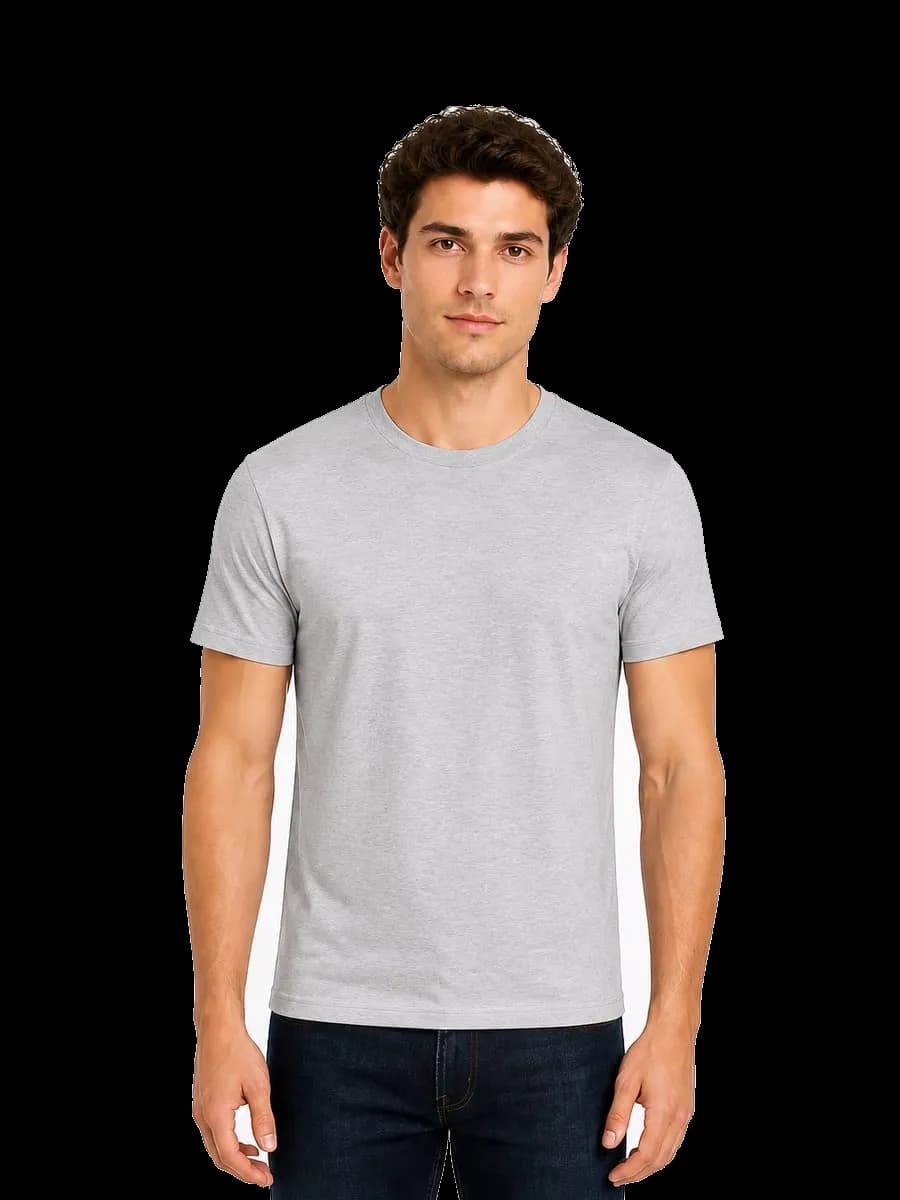
1. Shopper photo
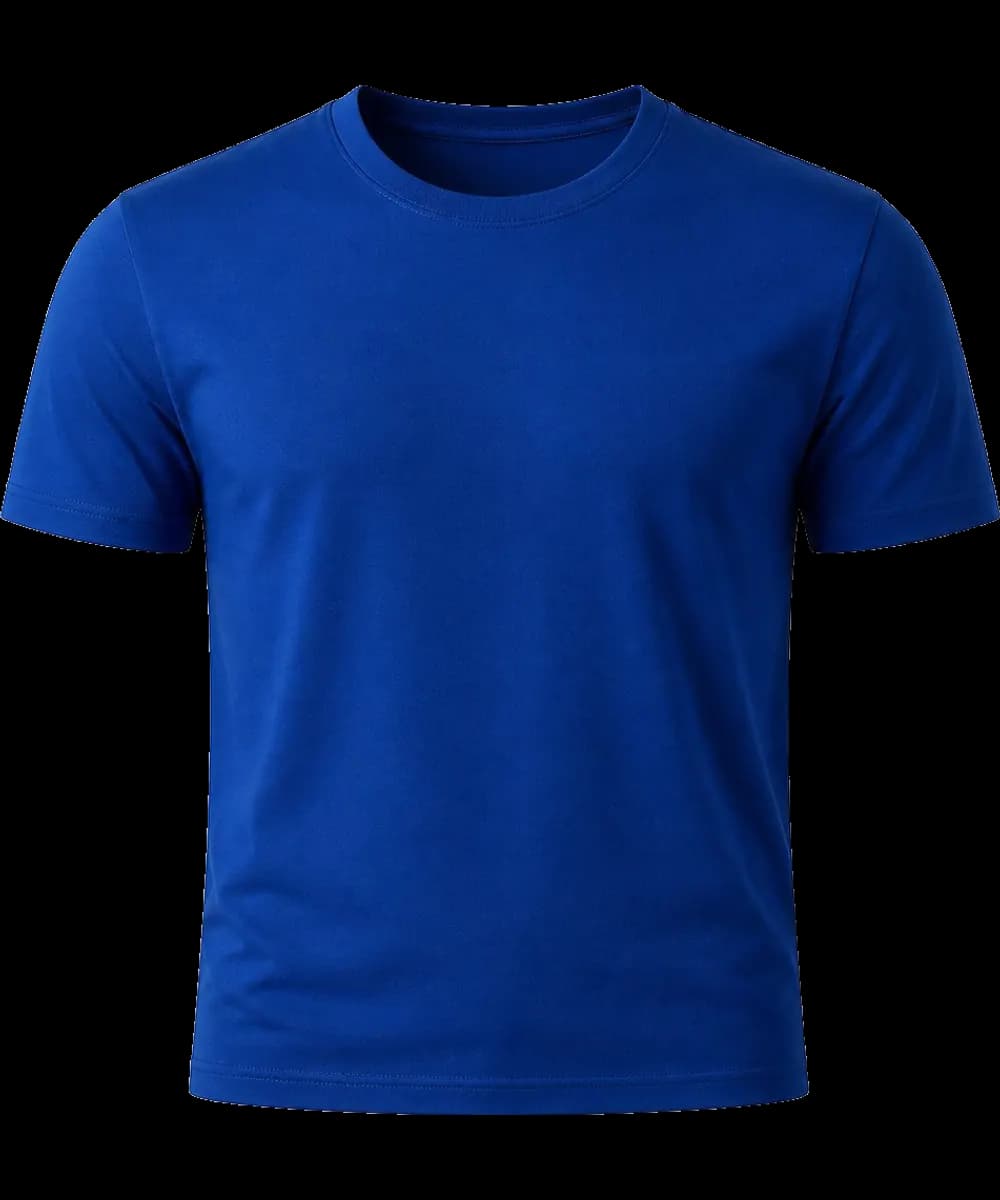
2. Garment image
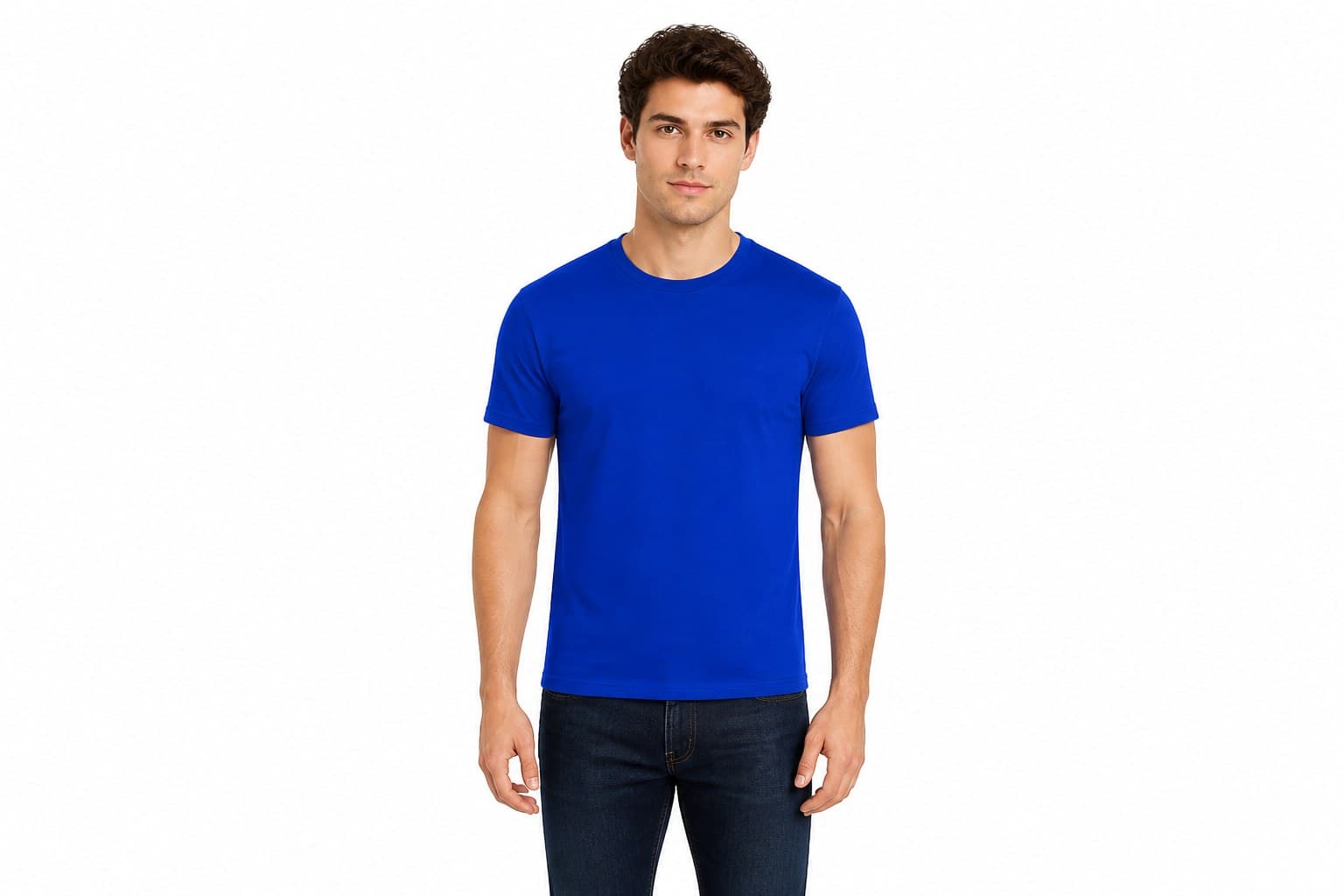
3. Illustrative preview
Explore the interactive walkthrough to see the interface. Validate production behavior with your own catalog before offering try-on to shoppers.
Photo-based try-on, AR, and size recommendations
| Approach | Shopper question | What to verify |
|---|---|---|
| Photo-based AI clothing try-on | How might this garment look on me? | Photo and garment requirements, image fidelity, and processing behavior. |
| Camera-based AR or 3D try-on | How does a product appear while I move or change the camera view? | Supported categories, camera access, device compatibility, and required product assets. |
| Size recommendation | Which size should I consider? | Inputs, garment-specific requirements, and how advice relates to the size chart. |
A virtual fitting room can combine different approaches. Closku's current storefront try-on is photo-based. Closku does not currently provide automated size recommendations. Read AI sizing versus virtual try-on to understand why a visual preview is not a size recommendation or a physical fitting.
Add virtual try-on to an ecommerce store
Closku setup uses CSV catalog import and a storefront script. Product identifiers must connect each storefront garment to the correct Closku catalog entry. There is no current marketplace app install or automatic store catalog sync.
| Storefront | Setup path | Guide |
|---|---|---|
| Shopify | Export and inspect the CSV; add the script in a theme; map Closku product IDs. | Shopify theme walkthrough |
| WooCommerce / WordPress | Normalize the product export; use a child theme or controlled script insertion; verify product context. | WooCommerce setup |
| Custom storefront | Prepare the catalog and configure the allowed storefront origin; integrate the widget. | Developer getting started |
For BigCommerce or another storefront, contact Closku to confirm your theme and catalog workflow before committing to an installation.
Photos, privacy, and the limits of a preview
Use a photo you have permission to upload. The current Closku try-on uploader accepts JPEG, PNG, or WebP files up to 10 MB. Clear lighting and an unobstructed garment area make the input easier to assess; follow the instructions shown in the actual experience. These upload limits describe try-on, not a separate sizing-service contract.
Generated previews can differ from real fabric texture, color, drape, dimensions, and appearance. Keep product photography, fabric details, size charts, and return information available. Review the privacy policy before uploading and contact the team about data handling questions relevant to your store.
Pricing and measuring the value
Closku Starter is $49/month for 145 try-ons, Growth is $99/month for 340, and Scale is $199/month for 750. Enterprise terms are custom. Check pricing for annual totals, monthly allowances, and usage rules.
Evaluate successful try-on usage, product-page purchases, and completed return reasons over a defined period. A preview can help inform a decision, but an improvement in conversion or returns needs your own evidence. Our returns measurement guide explains a practical comparison method without assigning an unverified outcome percentage.

